Trusting Young People to Lead
At The Agency of Change, trust is the core of how we work. We believe young people’s lived experience is not just valid, but vital, and that real change happens when they’re given the space to shape it.
As we step into this next chapter as an independent charity, we’re reflecting on what it means to truly share power.
Our Fundraising Lead, Hanaa Skalli, shares her perspective, drawing on her journey in arts and culture, and why access, creativity and trust matter now more than ever.
Written by Hanaa Skalli:
Why Access to the Arts Matters
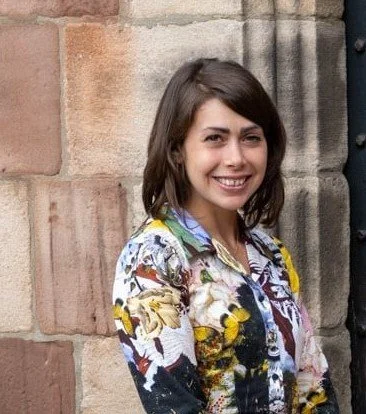
I’ve spent over a decade in arts fundraising, working with institutions like Art Fund, the Victoria & Albert Museum and Chetham's School of Music as well as providing freelance support to a range of arts charities.
My passion for the sector comes from a deep-rooted interest in the role art and culture plays in society and its incredible ability to address societal inequalities and transform lives.
I grew up in Hull, ranked in the 10% most deprived areas of England, and witnessed first-hand the buzz and radical shift in shared pride when the city was selected as UK City of Culture in 2017. Having cultural activities across the city was something to revel in and raise aspirations beyond Hull’s reputation for poverty and disadvantage. It confirmed for me the importance of creating equitable access to the arts.
I was excited to join The Agency of Change because of its ability to create radical social impact using the power of the arts. The Agency recognises that Agents’ lived experience makes them best placed to drive change, and that having felt the strain of these issues first-hand, they have a huge capacity for experimentation and innovation. This, for me, is the magic of the arts. Its power lies in its ability to teach people to dream big, to see the possibilities beyond our immediate situation and unlock the creative potential in all of us.
A New Chapter for The Agency of Change
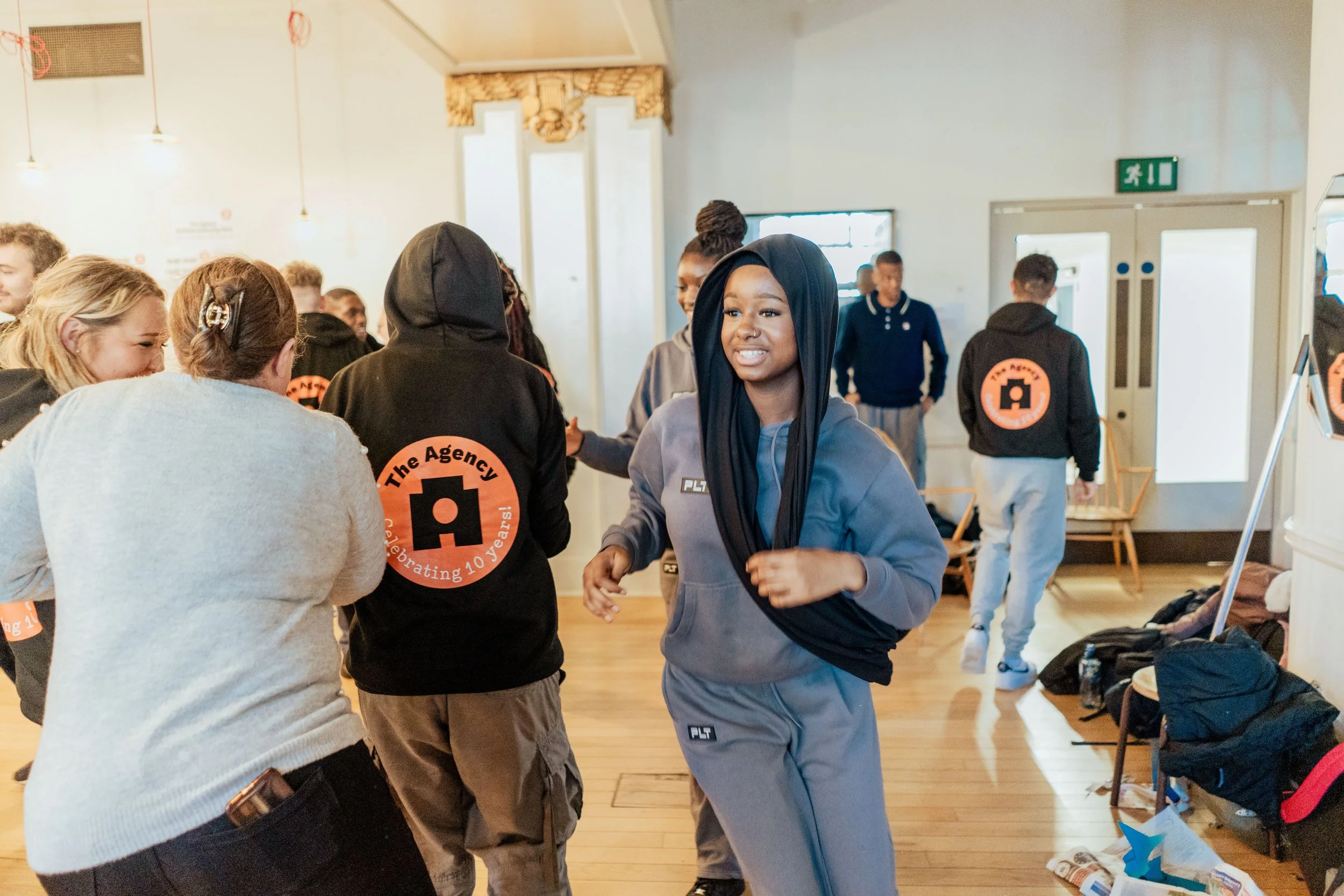
To mark The Agency of Change’s recent launch as an independent CIO, after being incubated for over a decade by Battersea Arts Centre (BAC) and Contact, we decided to host a roundtable, ‘The Power of Youth Leadership’. We chose this format because it replicates what The Agency of Change advocates for — equitable space.
The event brought together funders, Agents and leaders from across the youth sector, and there was a sense of collective urgency to explore shifting power and moving young people into true positions of leadership. Our speakers spoke poignantly about the challenges and opportunities they had faced in their journeys to support youth-led action.
Sharing Power in Practice
Henrietta Imoreh’s story about her journey from feeling disempowered as a care-experienced young person to leading policy change highlighted the importance of the programme’s creative methodology. She shared that the arts had been a “form of therapy” for her and that as a 14-year-old starting the programme, the arts was the “only thing” that kept her going. Since leaving the programme, Henrietta has gone on to contribute towards political reform in the social care system, a powerful example of what happens when we stop seeing young people as beneficiaries and start seeing them as leaders. In her words,
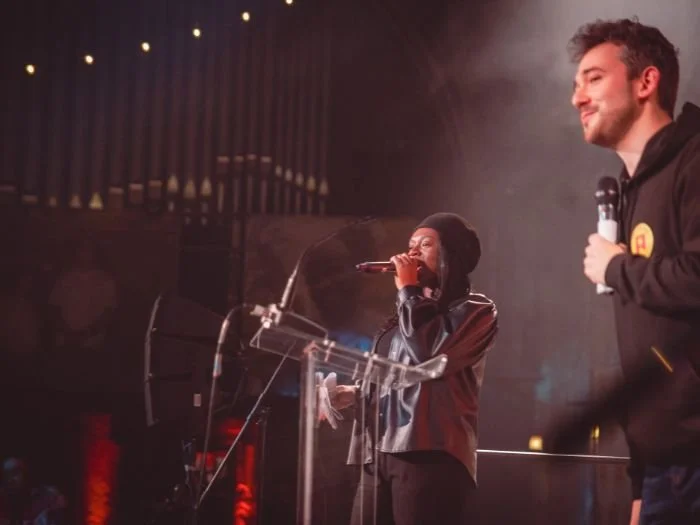
“When you look back to the methodology, it uses arts practices and exercises that are really accessible for young people, which I think was brilliant and really transformative.”
-Henrietta Imoreh
Alex Holmes OBE (Deputy CEO of The Diana Award) challenged us to look at where the power actually sits. He started an anti-bullying campaign whilst at school that has since grown into a national peer support programme. He noted that school is where activism should be nurtured, being where children spend most of their time, yet it’s where it is most often suppressed.
“Systems change happens when young people have the opportunity to rip up the rulebook and bring their lived experience and perspectives.”
Samuel Remi-Akinwale(CEO of Young Manchester and Alumni Agent) reminded us about why young people need to be given equitable access to positions of leadership. He spoke about how the consolidation of power in society actively prevents young people from stepping into their own.
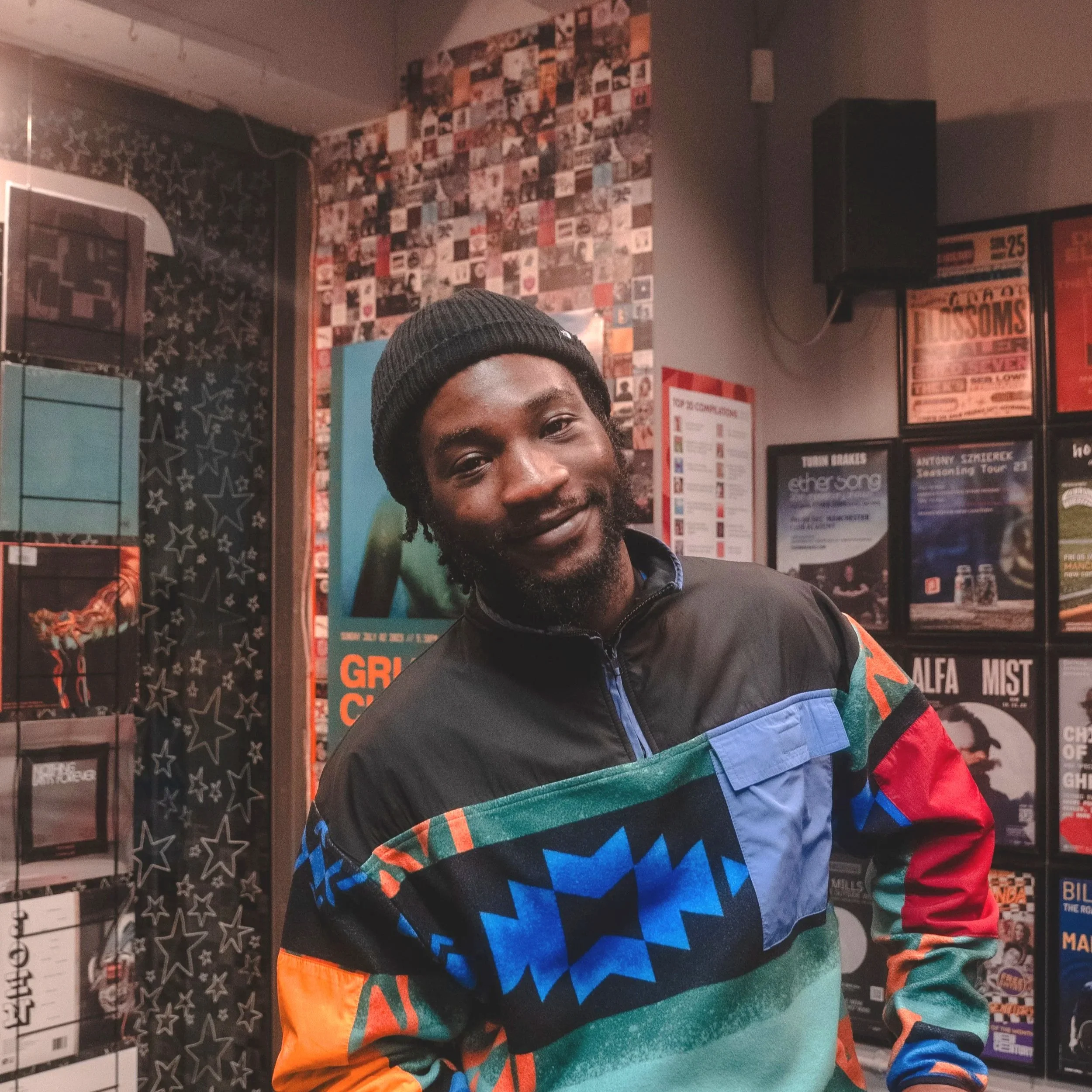
Samuel’s journey through the programme and receiving funding for his project, in his words, “transformed” his life.
For him, it wasn’t just about the funding he received, it was about the peer network and the feeling of being surrounded by others who refused to accept the status quo. This highlighted the need for greater equitable access for young people, providing a support system and platform to give young people agency in their day to day experiences.
As a sector, we have a responsibility to move past the rhetoric of youth engagement and start the hard work of actually sharing power.
The Agency of Change is committed to this mission more than ever. I’m left thinking of something Alex said towards the end of the discussion — “We shouldn’t be afraid that there’s still a lot to be done, we can learn from each other.” If we want radical solutions to society’s biggest challenges, we have to trust the people who are living through them.
Written by Hanaa Skalli for The Agency of Change.