More Than a Social Media Ban
What We Heard When We Asked Young People
Over the last week, our Agency phones and socials have been buzzing away.
When the UK Government announced plans to introduce a social media ban for under-16s from 2027, we did what we've always done at The Agency of Change, we asked our network of young people what they thought.
It started out as a fairly straightforward conversation. A few people for it, a few people against it. A handful sitting somewhere in the middle, digesting the various points. Then the conversation quickly became about much more than social media itself.
It became about youth clubs. Community spaces. Funding. Loneliness. Safety. Belonging. Opportunity. And ultimately, what growing up looks like for young people today.
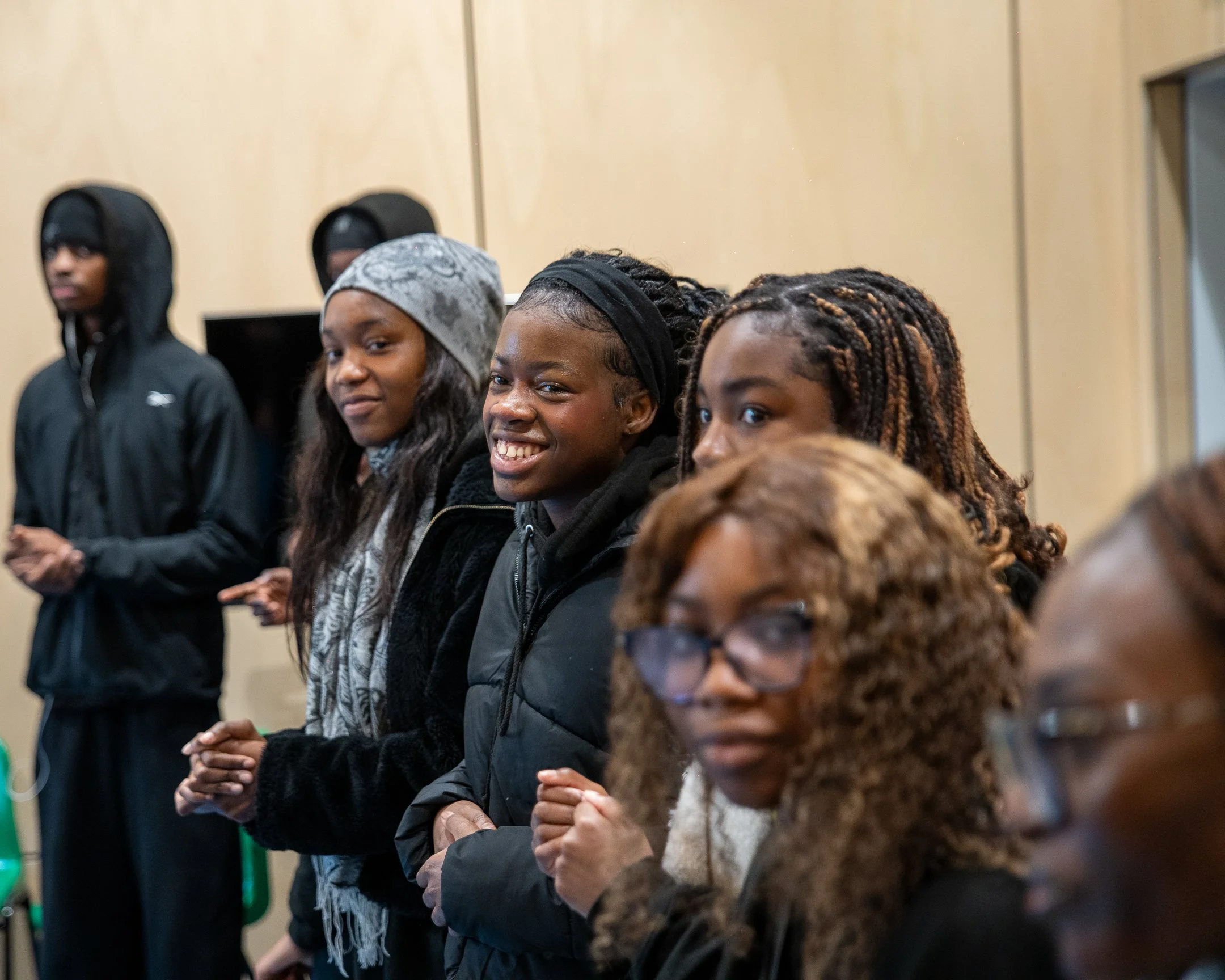
Interestingly, the same themes emerged during a discussion with our Steering Group.
Almost everyone could see both the positives and negatives of social media, and very few people viewed this as a straightforward "for" or "against" debate. Instead, the conversation repeatedly returned to a much bigger question: if young people spend less time online, what are we investing in offline?
For the past 13 years, we've worked alongside young people across the UK, supporting them to develop ideas, create projects and shape change in their own communities. Listening isn't something we do occasionally, it's part of our DNA.
When national conversations like this happen, we believe it's important not just to ask young people what they think, but to create space for those conversations to unfold. We also know these decisions don't just affect young people themselves. They affect families, youth workers, teachers, community organisations and everyone who helps shape the environments around them.
So rather than arriving with our own position, we wanted to listen first and here's some of what we heard.

Less Time Online, More Time Where?
One Agent said:
"Young people don't get given the opportunities they should be given. It's quite discouraging for them when there's nothing for them to do, so they turn to social media.”
Another reflected on the wider picture:
"The younger generation don't have much outside of social media. A lot of clubs outside of schools have to shut down due to lack of funding, even if they fundraise, and not all after-school clubs are for everyone."
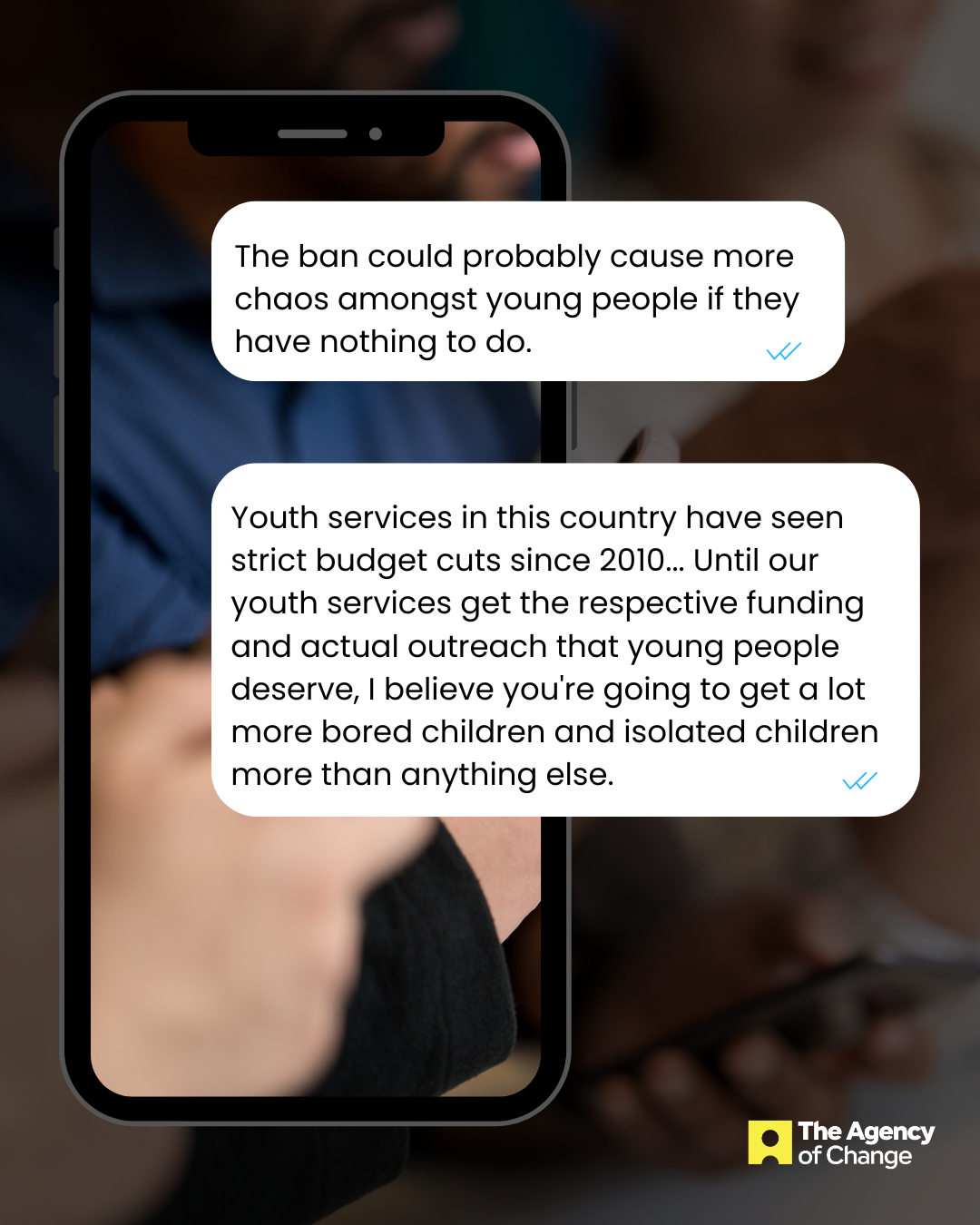
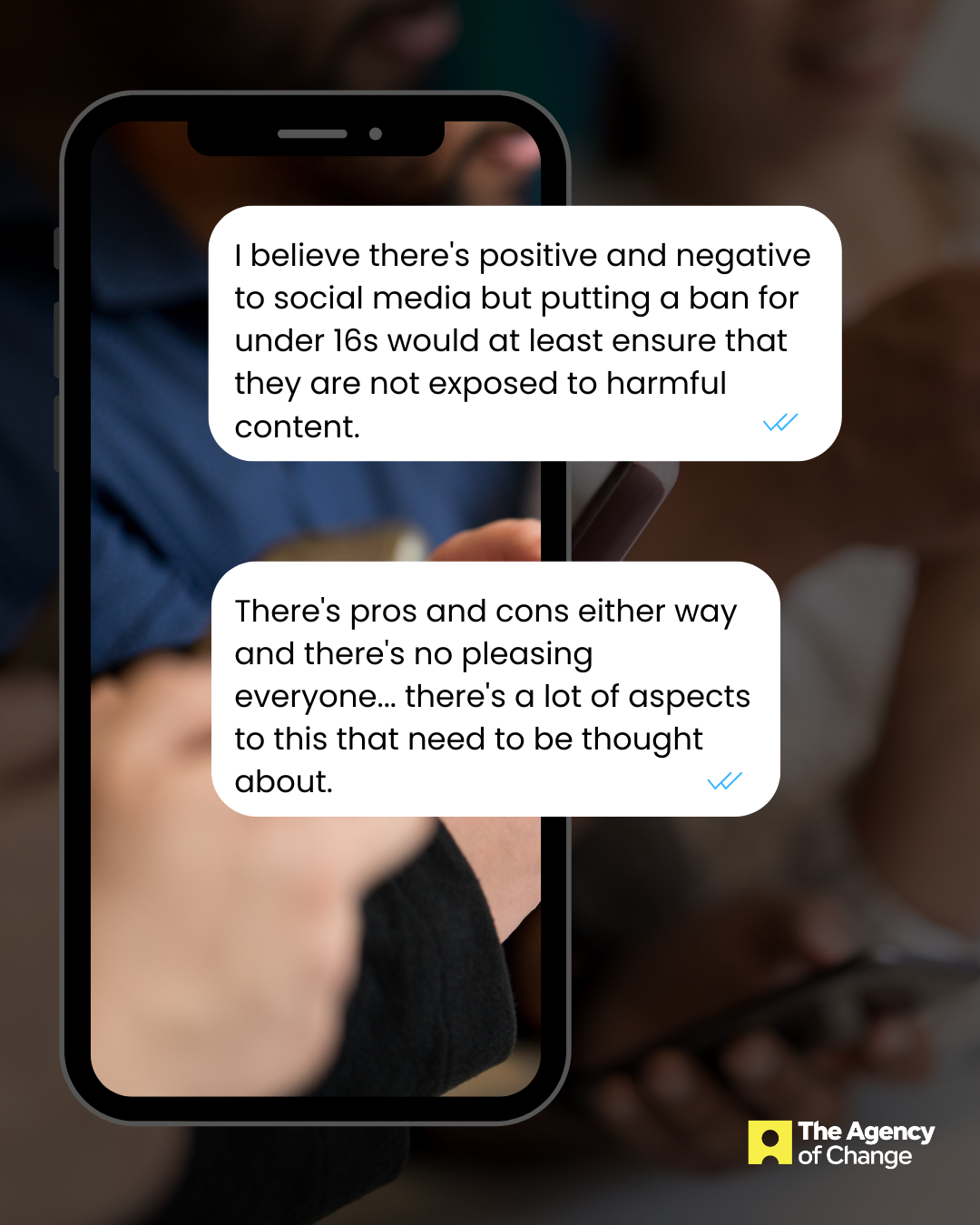
More responses we recieved are in the attached image.
What stands out isn't simply that people opposed or supported the proposal, it’s that so many instinctively widened the conversation. The discussion has become less about taking something away, and more about what needs investing into better young people's lives and wellbeing.
Investment into Spaces
Throughout the week, one point kept resurfacing - what investment would be made in the spaces young people already rely on?
One Agent put it like this:
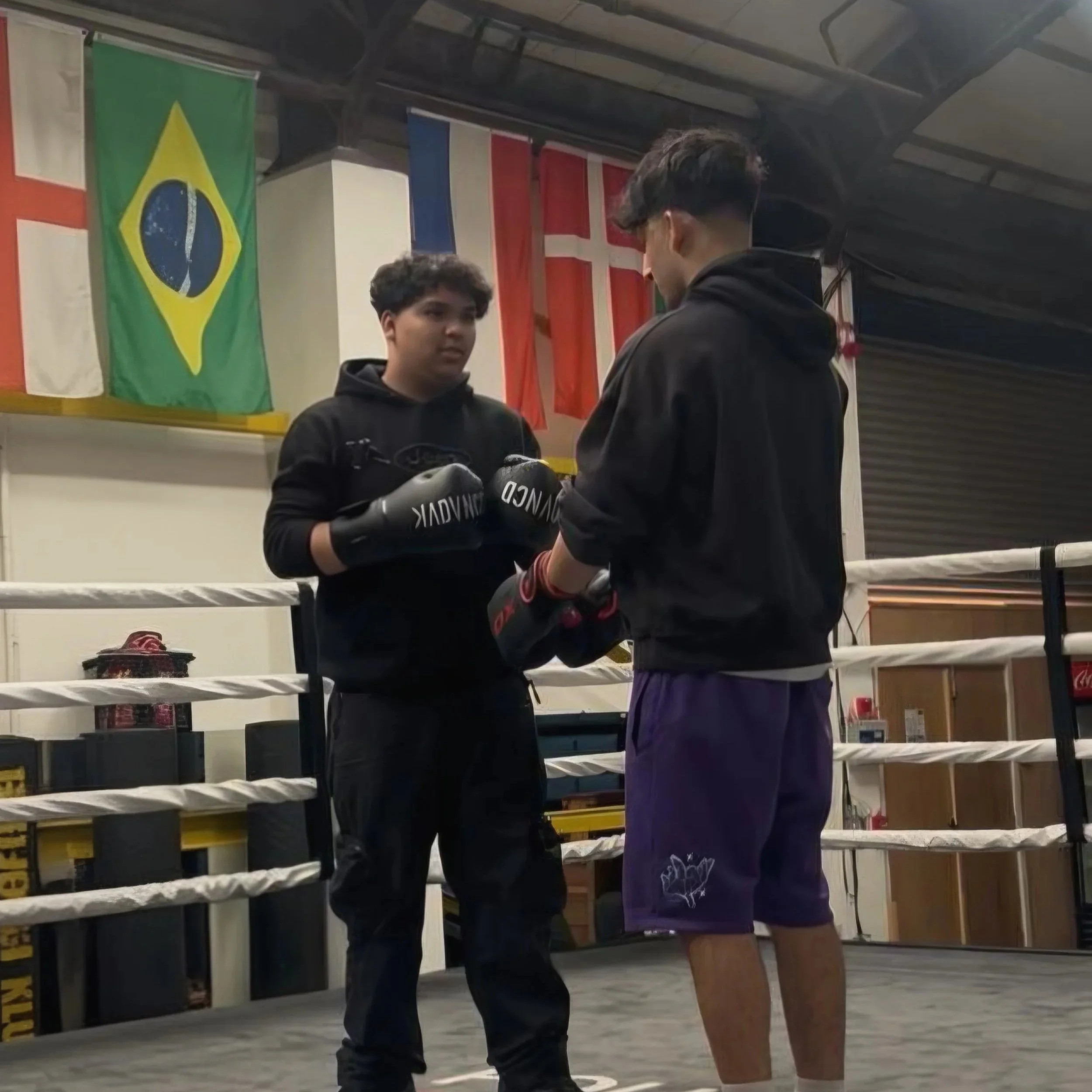
"Until our youth services like The Agency, Youth Unity in London etc get the respective funding and actual outreach that young people deserve, I believe you're going to get a lot more bored children and isolated children more than anything else."
We don't share that quote because it mentions us. We share it because it reflects something we heard time and time again. Young people weren't only talking about social media. They were talking about belonging. About having somewhere to go. About trusted adults, creative opportunities and communities that make them feel seen.
Whether you agree with the Government's proposal or not, one thing feels difficult to argue with. Young people deserve to be part of the conversation, not once decisions have already been made, but while they're still being shaped.
Whose Responsibility Is It?
Another conversation that kept emerging was around responsibility.
Many people recognised that harmful content exists online, but questioned whether an outright ban addresses the root of the issue. Instead, some felt social media companies should be doing far more to regulate harmful content and create safer online environments. Others reflected on the role parents, schools and wider society all have to play in supporting young people to navigate the digital world safely.
It reminded us that these conversations are rarely about choosing one solution. They're about understanding how multiple parts of the puzzle fit together.
There is No One Shoes Fits All
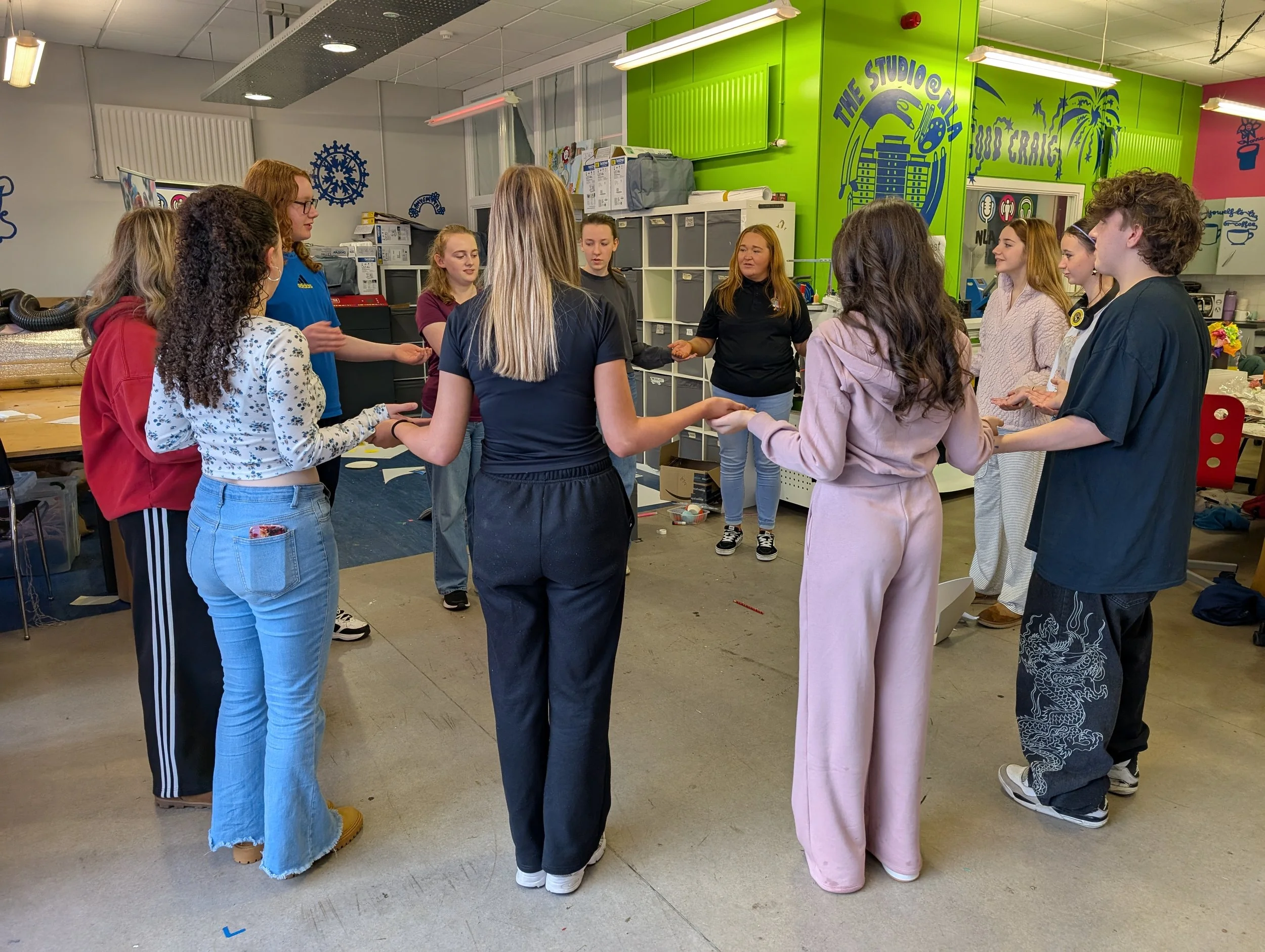
Not everyone agreed. Some people felt strongly that social media companies need tighter regulation rather than an outright ban.
"Social media should be regulated properly, and platforms need to do better. Harmful content only really gets taken down if it's quite extreme."
Others worried about what young people might lose if access disappeared altogether.
"Social media should not be taken away from people under the age of 16 as it takes away a new key way of socialising with others. There should be better ways for social media to be safer, not just removed entirely."
Several people pointed out that online communities can be lifelines for those who struggle to find belonging elsewhere.
"I think the ban will do more harm than good... it'll target more people who are at risk of being socially isolated. More specifically people who have to hide their identities like queer and trans people."
Others also reflected on the role online communities play for people who are neurodivergent or who haven't yet found people like themselves in their local area. For some young people, social media isn't just entertainment, it's where they find support, belonging and connection.
There were also questions around how effective a ban would actually be. Some people pointed to examples overseas where young people have already found ways around age restrictions, raising questions about whether enforcement alone would achieve the intended outcome.
But there were also voices who welcomed stronger restrictions.
We found ourselves coming back to many of the comments more than once, maybe because that’s the reality of layered topics like this. This isn't a simple issue with a simple solution, and the people living closest to it understand that better than anyone.
Contributing to the Conversation
In 2024, through our Voter Registration Project, we spent months speaking to people across communities about participation, representation and why so many felt their voice didn't matter. The project wasn't about telling people who to vote for. It was about giving more people the confidence and opportunity to take part in the democratic process, by registering to vote, and understanding how the voting system worked.
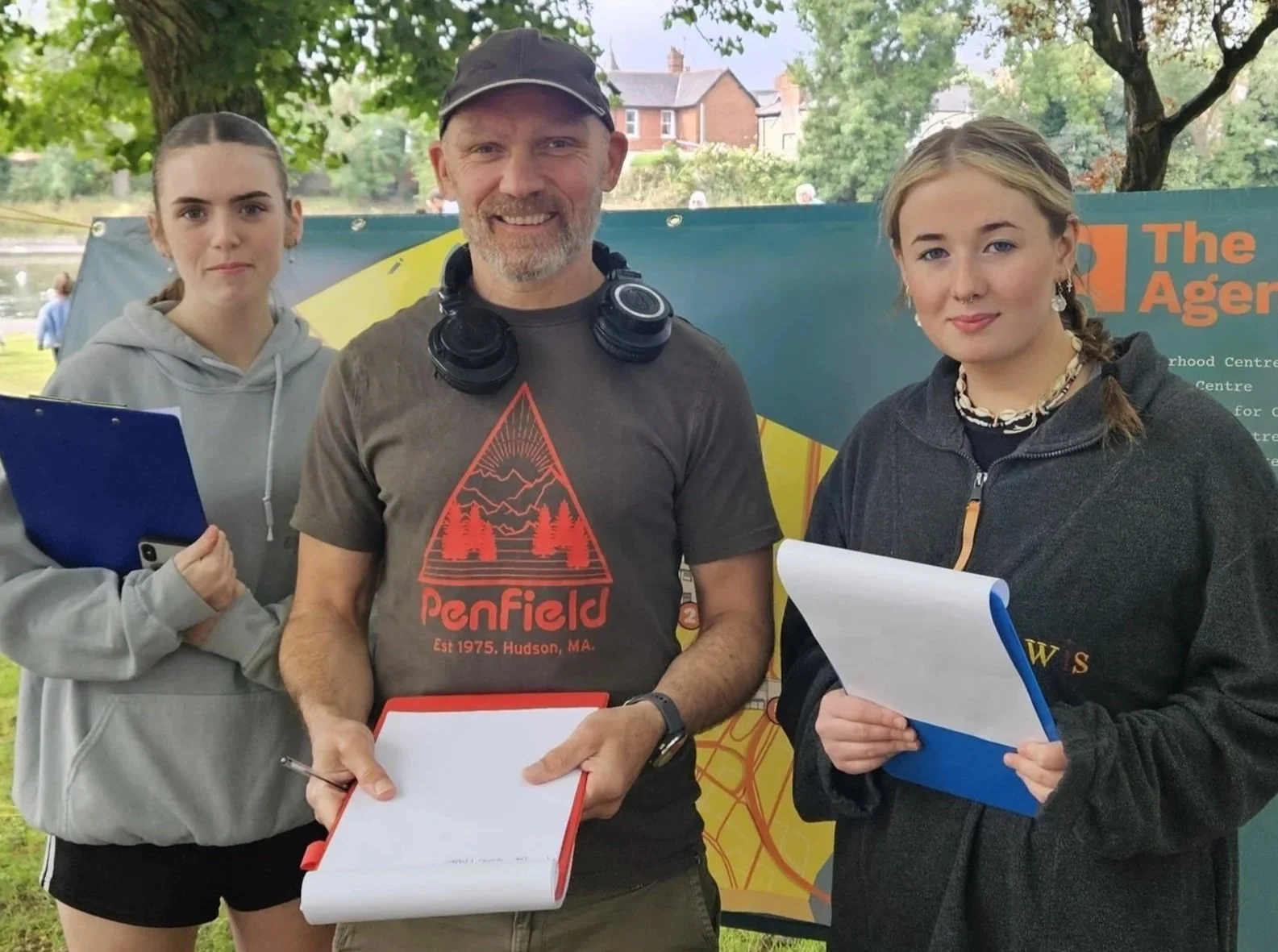
This week's conversation felt like a natural extension of that work.
The topic might be different, but the principle is the same. When decisions are being made that will shape young people's lives, we believe they deserve the opportunity to contribute to the conversation. Not because they'll all agree, but because their lived experiences add something that headlines and policy papers simply can't.
We're continuing to gather thoughts from Agents, Alumni and our wider community.
If you've got a perspective on the proposed social media ban, we'd love to hear it.
What do you think decision-makers should be considering?