Methodology as Creative and Social Praxis
As evaluator and critical friend for The Agency programme, Dr. Chrissie Tiller had the opportunity to revisit the methodology. Not purely as a series of activities and guidelines for working with young people to realise their ideas, but as a distinct creative and social praxis that seeks to bring action, theory and reflection together to bring about social change.
A writer, thinker, practitioner and educator whose work sits at the intersection between critical pedagogy, political activism and collaborative and social art practice, Chrissie is an expert and advisor on arts and social change globally. She initiates and leads practice-based artist education, including the MA in Participatory and Community Arts at Goldsmiths, University of London. Read the article here to see her reflections on the methodology:
A Different System of Learning
In 2012, funded by the Calouste Gulbenkian Foundation, Battersea Arts Centre, Contact Theatre and People’s Palace Projects came together to explore whether The Agency, a methodology developed by theatre maker and activist Marcus Faustini, could be as successful in supporting young people from underserved communities in the UK as it had been in the favelas of Brazil.
14 years later, The Agency of Change is now established as an independent charity, working with hundreds of young people in partnership with cultural organisations across the whole of the UK.
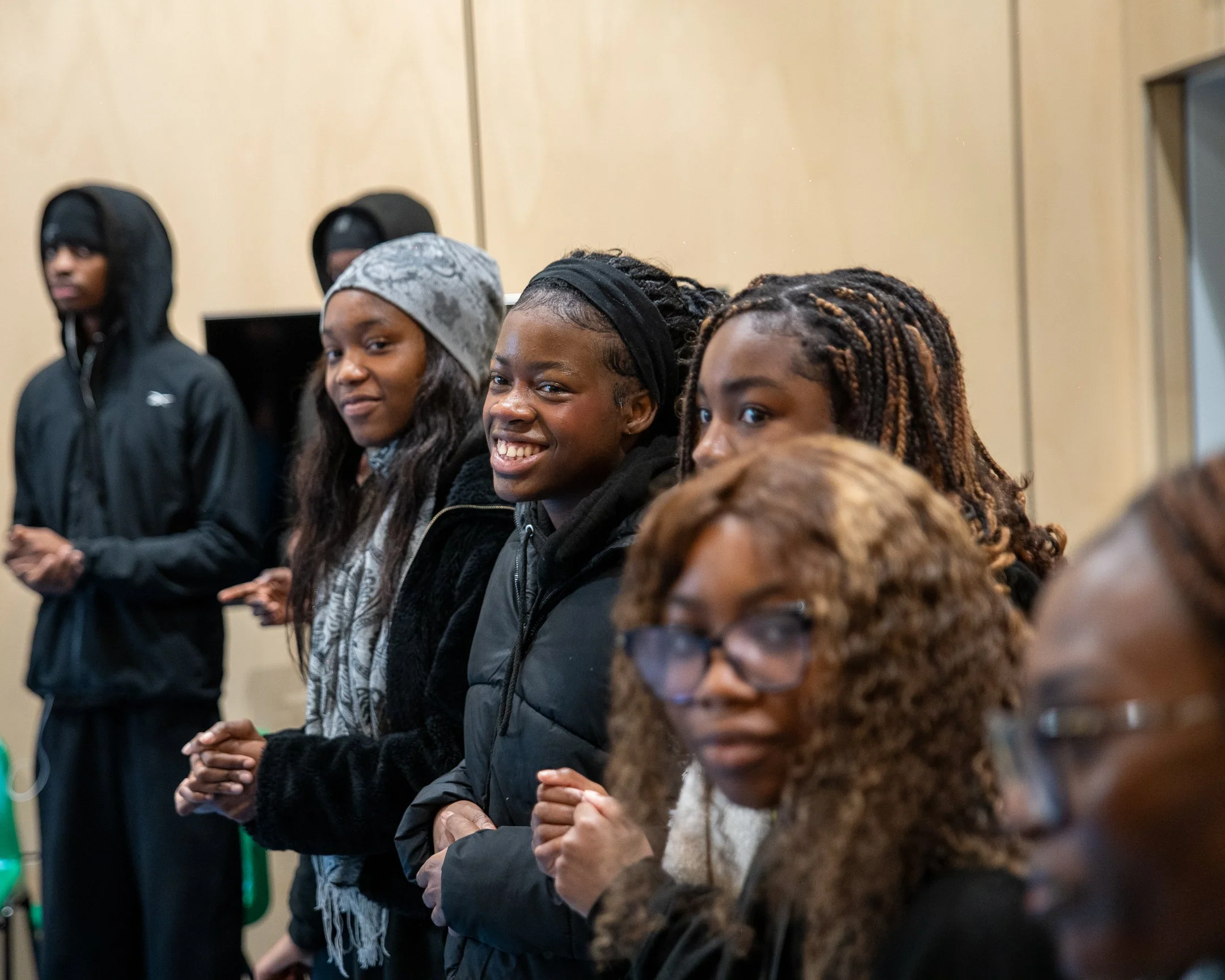
The methodology in The Agency is a very different system of learning from school. It’s about solutions and listening, like a rewiring of your brain that helps you recognise and revisit things you already know. It's become a big part of my self-development outside.’
-Divine, Alumni Agent and Peer Mentor, London
Methodology as Praxis
Defining praxis as a cyclical process of theory and practice, reflection and action, ‘focused upon the world in order to transform it’, Brazilian educator and activist Paulo Freire proposes that ‘without practice there is no knowledge’. But, in order to use that knowledge, he continues, we need to underpin it with ‘a theoretical type of practice’.
Challenging systemic power structures:
By identifying young people as leaders and Agents of change from the outset, The Agency positions them at the centre of community transformation.
Creativity and rigorous research:
Creativity and rigorous research are brought together in a clearly defined and structured process that not only gives them the tools to tackle the issues that matter to them but also emboldens them to see themselves as the protagonists of their community, their ideas and their story.
Desire for Change
From The Agency programme’s powerful opening question, ‘What is your desire for change?’ to the final realisation of young people’s own social impact projects, the methodology challenges and inverts the hierarchical structures of more traditional approaches to learning to promote a spirit of shared inquiry and collective problem-solving that goes far beyond any series of ‘how to do’ rules.
‘I feel the methodology gives Agents a space to understand their desire by tapping into the needs and the potency of their territory. I've lived in Battersea since I was born but I never really knew what was going on in the area until the Agency. The methodology allowed me to really see that community again and begin to understand what they think.’ -Eunice, Alumni Agent and Peer Mentor, London
Power & Transformation
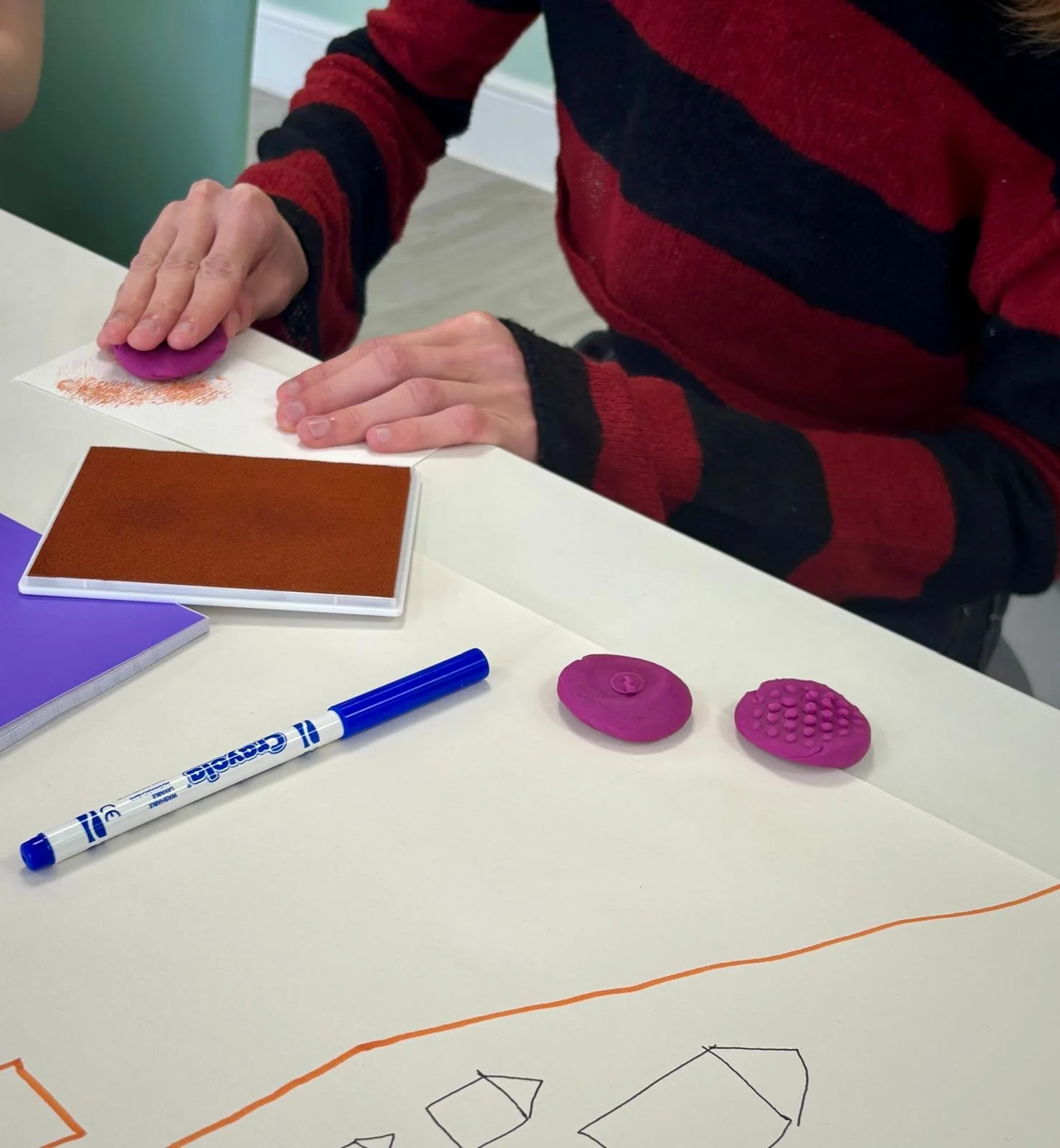
As part of the maps session, Agents are making textured maps using clay stamps.
Cycle One involves participation in a series of creative workshops to refine their ideas that have been given the names Compass, Inventories, Maps, Avatars and Monsters.
Here artist facilitators work with them to develop their confidence, expand their networks and revisit the ‘desire for change’ that first inspired them.
At the end of this cycle, having been given the space to test and evaluate their projects, Agents pitch to a panel of civic leaders, local businesses and other stakeholders, who select three projects to move on to Cycle Two.
The process is crucial. We always tell Agents and facilitators at the beginning of a new cohort to trust the process.
Agents and facilitators need to understand the process as something much more than instructions to be followed. Concrete actions are continuously punctuated by moments of critical reflection.
‘It is not a recipe book; it’s not a curriculum; it’s not simply the sessions. It’s about an approach - to recruitment, to how we give and receive feedback and to how we work together’ - Andrew
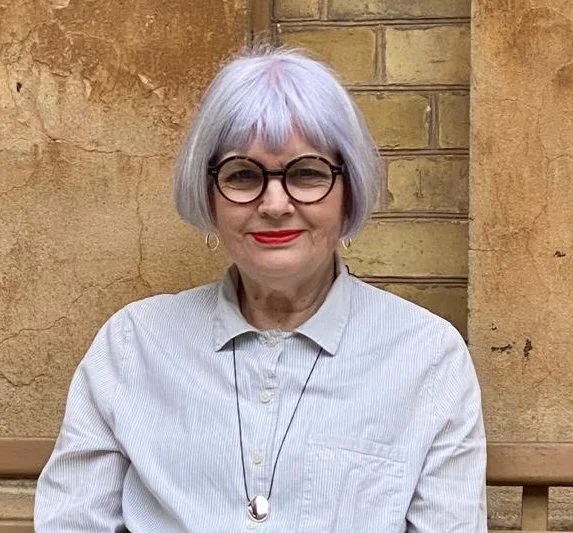
About Dr. Chrissie Tiller
Chrissie is a writer, thinker, practitioner and educator whose work sits at the intersection between critical pedagogy, political activism and collaborative and social art practice. This includes acting as an expert and advisor on arts and social change globally and initiating and leading practice-based artist education, including the MA in Participatory and Community Arts at Goldsmiths, University of London.
Following her Fellowship at the Technological University, Dublin, to explore her own practice and writing through the intersecting oppressions of gender and social class, she was awarded her Doctorate in 2024. She still writes extensively for a number of arts and cultural organisations on social arts practice, power and class.
Explore more of our latest Impact & Evaluation -